Followers |ලිපි පල කළ සැණින් දැනුවත් වන්න !

Tuesday, July 5, 2011

Eat Well and Be Active|දියවැඩියාවට කුස්සියෙන් බේත්.

Some of the best 'medicines' for controlling your diabetes comes right from your own kitchen. Food is the fuel that keeps your body working. The exercise you do, the medicine you take, your blood sugar level-all are affected by how and what you eat. Don't give up your favourite foods. Just learn how much to eat, how often to eat, and how to prepare the foods you love to eat. There are no forbidden foods for a person with diabetes. The old way of just cutting out foods with sugar has changed. The foods that are healthy for people without diabetes are the same foods that are healthy for people without diabetes.

To eat well:
  • Eat a wide variety of foods each day
  • Eat high fiber foods, such as un polished rice, vegetables, fruits, and pulses (Cowpea, Green gram, Chickpea)
  • Use less added fat, and salt
  • Eat meals and snacks at the same time each day
  • Eat at least 3 small meals each day
  • Try not to skip meals
  • Eat about the same amount of food each day
  • Maintain a healthy weight
  • Drink less alcohol or better avoid
  • If you want to lose weight, reduce the quantity of foods while keeping the variety and be more physically activeExercise is important for everyone. For people with diabetes it is vital! Exercise help for you to:

  • Lower and control blood sugar
  • Reduce how much medicine you need
  • Decrease your risk of heart attack and stroke
  • Lower your blood pressure
  • Lower your "bad" cholesterol
  • Improve your circulation and your health and fitness
  • Reduce stress and depression
  • Increase your energy level which help with weight loss and weight control
  • Lift your spirits!

Getting started to exercise:
  • Your exercise program needs to take into account any health problems that you have. Talk to your doctor first.
  • Start slowly. It takes about 3-6 months, to reach the goal. It is necessary to warm up 5 minutes before the exercise and cool down for 5 minutes after the exercise to prevent injuries.
  • Go for an activity you enjoy- walking, swimming, gardening, or a combination of activities.

If you already have diabetes, losing 5 -10 Kg may help you lower your blood glucose, blood pressure and improve your blood fats. Losing this weight may also help you cut down on a few of the types of medicines you take.

Written By
-Dr. Renuka Jayatissa

Monday, July 4, 2011

Don't Say Hi to Heart Attacks | හදවත පරිස්සම් කර ගනිමු


Diet is one of the important risk factors associated with heart attacks. The safest way to prevent heart attacks is to strive for a healthy diet and active lifestyle. This includes the following:
Consuming the so-called heart-safe diet (low in fat, cholesterol and salt; high in fibre)
Item
Description
Red meat (beef, pork, mutton)
Limit to once a week. Remove as much excess fat as possible before cooking
Poultry
Maximum of three times a week
Sausages and luncheon meats
High fat and salt content (provides 25% of daily sodium intake). Use sparingly
Fish (tuna, hurulla, salaya)
Low-fat alternative to meat, rich in omega-3 oils
Shellfish (Shrimp, crab, lobster, cuttle fish, prawns)
High in cholesterol, but low in fat. Can be included in your weekly diet
Butter
Should not be used on a daily basis.
Margarine
Contains saturated and tans fatty acids, both of which have potential to increase blood cholesterol levels. Consumers mistakenly assume margarine is lower in kilocalories than butter. A gram of fat (what ever the source), supplies nine kilocalories of energy.
1. Reduce margarine/butter you use each day
2. Further decrease fat intake by using low fat butter/margarine
3. Use soft spread margarine (contains less saturated and trans fatty acids.
Eggs
Consume no more than four egg yolks/week, including those in pudding and bakery items
Olives and coconut
These are high in fat. Use one coconut for five persons per day.
processed foods
Restrict intake as most processed foods contain significant amounts of fat and sodium
Frying foods
Fry foods infrequently. Stir-fry food in tiny quantities of very hot oil. Invest in non-stick cookware.
Fruits and Vegetables
Increase the consumption of a wide range to boost intake of Vitamin A (beta-carotene), E and C in the diet. These vitamins are heart protective.
Vitamin E
Present in avocado, dark green vegetables, eggs, butter, margarine, cheese, nuts etc..
Vitamin C
Present in citrus fruit and juices, tomatoes, green leafy vegetables, bean sprouts, green peppers.
Vitamin A (beta-carotene)
Present in yellow and orange fruit. Green vegetables, carrots, pumpkins, spinach, tomatoes, whole milk and its product
Maintain a healthy body weight
Avoid tobacco (both smoking and chewing)
Participating in regular exercise programme and lead a active life
Reducing stress throughout adulthood is also important to keep your healthy heart
Written by
-Dr. Renuka Jayatissa-

Friday, July 1, 2011

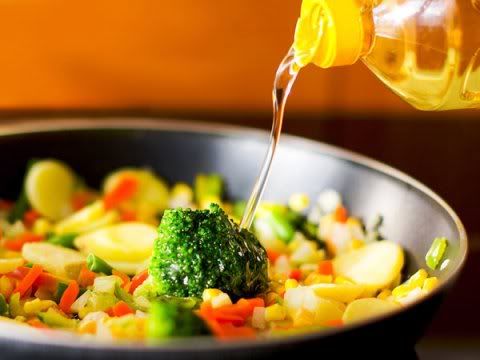
කෑම රස කරන තෙල් නිසි පරිදි පාවිච්චි කරමු.|Do I have to avoid all oils?

අද බොහෝ දෙනෙක් තෙල් කෑමට බිය වෙති.එයට හේතුව වී ඇත්තේ අධික තෙල් පරිභෝජනය හදවත් රෝග ,අංශභාග වෑනි දිගු කාලීන රෝග වලට හේතුවීමයි.

ඔබ දන්නවාද? දිනකට එක් අයෙකුට අවශය වනුයේ තෙල් මේස හැඳි 3-5 ක් පමණි.වෙලඳපොලේ ඈති තෙල් වර්ග අතර සූර්යකාන්ත තෙල්, කෑනෝලා තෙල්, තල තෙල්, ඉරිඟු තෙල්,ඔලිව් තෙල් ඒ අතරින් වඩාත් හිතකර වේ.පාම් තෙල් හා මාජරින් ආහාර පිසීමට සුදුසු නැති අතර ;පොල් තෙල් ඒවාට වඩා සුදුසුය.

තෙල් යොදා ගෙන ගෑඹුරු තෙලේ බැදීම ඉතාමත් අහිතකරය.කලු දුම පිටවන තෙක් තෙල් රත් වු විට ට්‍රාන්ස් මේද අම්ල සෑදීම නිසා එහි සංයුතිය ශරීරයට අහිතකර තත්වයට පත්වේ.ඊට සුදුසුම පිළියම වන්නේ තෙල් දැමීමට පෙර හාජනයට වතුර ස්වල්පයක් දමා පසුව තෙල් දැමීමයි.එවිට තෙල් අධික ලෙස රත් වීම වැළකේ. කෙසේ වුවද ඉහත කිසිදු තෙල් වර්ගයක් ගැඹුරු තෙලේ බෑදීමට සුදුසු නැත, අවශ්‍යම විට ඒ සඳහා පොල්තෙල් භාවිතා කරන්න.

written by Dr.Malsha Gunathilake


For the English version of this article Click Here | ๧මම ල๢ප๢๧ය๞ ඉංග්රීසි ප໱ව໮තනය සඳහ๟ ๧මත๠නට යන๞න. 

Thursday, June 30, 2011

මම මහතයිද? මම කෙට්ටුයිද? - ශරීර ස්කන්ධ දර්ශකය මනිමු | Know your Body Mass Index |

ඔබ නිතරම ඔබේ සෞඛ්‍ය තත්ත්වය ගැන සැලකිලිමත් වෙනවා නේද? එසේනම් ඔබ අසනීප වූ විට දැනගන්නේ කෙසේද? ශ්වසන මාර්ගයේ අසනීපයක් ඇතිවිත උණ ගන්නවා, සොටු දියර ගලනවා, කැස්ස එනවා. ආහාර මාර්ගයේ නම් බඩ රිදීම, වමනය, පාචනය ආදිය සිදු වෙනවා. මෙවැනි අමාරුකම් නැති විට අපි "හොඳ " සෞඛ්‍ය තත්ත්වයෙන් ඉන්නවා යැයි සිතනවා.

නමුත්, අපට නොපෙනෙන රෝග තත්ත්වයක් අප සතුව තිබිය හැකියි. "දුෂ්පෝෂණය" එවැනි රෝග තත්ත්වයක්. දුෂ්පෝෂණය යන්නට මන්ද පෝෂණය මෙන්ම අධි පෝෂණයද ඇතුලත්.

දුප්පත් පොහොසත් භේදයකින් තොරව ,අපේ වැරදි ආහාර පුරුදු නිසා අප සියල්ලෝම ඉහත සඳහන් කල ආකාර දෙකටම ලක්වීමට පුළුවන්.

මමත් මන්ද පෝෂණයෙන්/ අධි පෝෂණයෙන් පෙලෙනවාද?

මෙය දැන් ඔබට අනිවාර්යයෙන්ම ඇතිවන ප්‍රශ්නයක්. පිලිතුර හරිම සරලයි.ඔබේ ශරීර ස්කන්ධ දර්ශකය(BMI) ගණනය කරන්න.

BMI අගය යනු කුමක්ද?

මෙය ශරීරයේ උසට සරිලන බරක් තිබීම පිලිබඳ මිනුමකි.මෙය බර(kg)/උස(m)^2 යන සමීකරණයෙන් ලබාගත හැක. ලාංකීය වැඩිහිටියකුගේ මෙය 18 kg/m2 හා 23.5 kg/m2 අතර තිබීම අපේක්ෂා කෙරේ.මෙම අගයට වැඩි හෝ අඩු වීම දුශ්පෝෂණ තත්ත්වයකි.

ඔබේ වයසට අනුව නිවැරදි අංකය(A,B,C) වෙත ගමන් කරන්න.

A.ඔබ පාසැල් ශිෂ්‍යයෙකු(වයස අවු.5-18)නම්,

වයස අවුරුදු 5ට වැඩි ඕනෑම වයසක අයෙකුට ,මෙම වගුව ඇසුරෙන් තම BMI අගයත් ,තිබිය යුතු අවම හා උපරිම බරත් දැකගත හැකියි.මෙහිදී ඔබ +2 හා -2 අතර කලාපයේ සිටීනම් එය නිවැරදි BMI අගයක් වෙනවා.

BMI අගය මෙමගින් දැන ගන්න


පිරිමි ළමුන් සඳහා නම්, දැන් එයමෙතැන click කර ලැබෙන ප්‍රස්ථාරයට ඇතුලත් කර ඔබ සිටිනා ශරීර ස්කන්ධ දර්ශක කලාපය හඳුනා ගන්න.

ගැහැනු ළමුන් සඳහා නම්, දැන් එය දැන් එයමෙතැන click කර ලැබෙන ප්‍රස්ථාරයට ඇතුලත් කර ඔබ සිටිනා ශරීර ස්කන්ධ දර්ශක කලාපය හඳුනා ගන්න.


B.ඔබ වැඩිහිටියකු(අවු.18ට වැඩි ) නම්,

වයස අවුරුදු 18ට වැඩි ඕනෑම අයෙකුට පහත මෘදුකාංගයට උස හා බර ලබාදීමෙන් BMI අගය ලබාගෙන එය ප්‍රස්තාර ගත කරගත හැකියි.මෙහිදී ඔබ කහපාට කලාපයේ සිටීනම් එය නිවැරදි BMI අගයක් වෙනවා.


C.වයස අවු. 5ට අඩු දරුවෙක් නම්,

අවුරුදු 5ට අඩු දරුවන් සඳහා පහත දැක්වෙන වගු භාවිතා කර ඔවුන්ගේ දිග(අවුරුදු 2ට අඩු දරුවන් සඳහා දිග භාවිතා වේ) උසට අනුව බර වැටෙන්නේ කුමන වර්ණ තීරුවටදැයි බලා ගන්න. දරුවා මෙහි කොළ හෝ ළා කොළ පාට කලාපයේ සිටිය යුතුයි.


ඔබට ඔබේ පෝෂණ තත්ත්වය පිළිබඳ ගැටළු ඇත්නම්,
පෝෂණ තොරතුරු ඒකකය, වෛද්‍ය පර්යේෂණ ආයතනය, බොරැල්ල වෙත ඒවා යොමු කරන්න.ඒවාට පිළිතුරු ලබා දීමට අප සැම විටම සැදී පැහැදී සිටිනවා.

written by Dr.Wedisha Gankanda


For the English version of this article Click Here | ๧මම ල๢ප๢๧ය๞ ඉංග්රීසි ප໱ව໮තනය සඳහ๟ ๧මත๠නට යන๞න. 

Do I have to avoid all oils? | කෑම රස කරන තෙල් නිසි පරිදි පාවිච්චි කරමු.


No oil !!!!
Now people are scared of using oil. In Sri Lanka, we have been using coconut oil for years in cooking. I think Sri Lankan women always try to make food taste better by adding coconut oil. But, it is proven that oil has a major role in increasing risk of heart attacks and strokes. When we eat oil, they get absorbed in our gut, and then it increases fat levels in our blood. When there is an increase in fat in the blood it tends to deposit in our blood vessels as cholesterol plaques.
We need 20-30% of daily energy intake from fat. This means around three to five table spoons of oil can be consumed by a person daily. So I am sure you are looking for a safe oil to add to your food while keeping your heart healthy. Out of the types of oil available in Sri Lankan market Canola oil, Sun flower oil, Corn oil, Sesame oil and olive oil are safe to use. Next safer thing is our coconut oil. Coconut oil is better than palm oil or Margarine for cooking.
The way we use the oil is important as well as the type. Deep frying is the worst thing. In that case when oil gets over-heated its composition changes into bad fatty acids (Trans fatty acids) which make more cholesterol plaque inside our blood vessels. When adding oil to food, don’t let it heat till the dark smoke comes out. You can do it by adding little amount of water in to the pan before adding oil, so oil will get heated without overheating. None of the above oil is good for deep frying.
facts by - Dr.Renuka Jayatissa
written by Dr.Malsha Gunathilake


For the Sinhalese version of this article Click Here | ๧මම ල๢ප๢๧ය๞ ස๢๜හල ප໱ව໮තනය සඳහ๟ ๧මත๠නට යන๞න.