 |
| පිළිකා නාශක පලතුරු | Anti Cancer Drugs |
Showing posts with label cholesterol. Show all posts
Showing posts with label cholesterol. Show all posts
Sunday, November 18, 2012


Wednesday, October 19, 2011
"Trans fatty acid" the killer |"ට්රාන්ස් ෆැටි ඇසිඩ්" මරුවා ගැන දැනගන්න

As you know, fat and lipids are composed of two major types of fatty acids: saturated and unsaturated fatty acid. Trans fatty acids (TFA) is a part of the unsaturated fatty acid group. TFA is a major health risk and has been known to cause heart attacks, increase LDL, decrease HDL cholesterol (see our article on PUFA) and has carcinogenic effects.
Generally, most food industries do not use saturated fatty acids (SAFA) in their products as it gets rancid faster. Instead, they use hydrogenated vegetable oil (unsaturated fatty acids). During this process of hydrogenation addition of hydrogen atoms to unsaturated fats occurs, which eliminates double bonds, thus making them into complete saturated fats. However, some fatty acids may still remain as partially saturated fatty acids. Partial hydrogenation converts cis-isomers into trans isomers; hence fatty acids (TFA). Products that have been deep fried and baked, such as potato chips and biscuits, are high in TFA. This is important because, the Sri Lankan population consumes high amounts of biscuits daily.
 |
| Always check food labels to see the amount of TFA |
Due to these reasons, most countries have legislation to label food products that contain TFA. In the present day, there is a higher demand for “trans-fat free” products in the market, as people are becoming more interested in healthy diets.
Recently, Japanese researchers examined the TFA levels in the umbilical cords and placenta of newborn babies. It was found that Sri Lankan babies had higher levels of TFA levels than Japanese babies. This could be one of the reasons of high low birth weight (LBW) rates in Sri Lanka. LBW can predispose NCD’s (non communicable diseases) in later life.
Majority of households tend to re-use deep-frying oil again and again, which is not recommended; as it can cause TFA in food. It is highly recommended to change the oil after each time. If your household does re-use oil, it is suggested to use coconut oil. Many "popular" fast food outlets and restaurants re-use their deep frying oil by straining debris from their oil to make their products. This is an extremely poor practice, which makes the fast food you eat full of TFA.
For the Sinhalese version of this article Click Here | මෙම ලිපියේ සිංහල පරිවර්තනය සඳහා මෙතැනට යන්න.
Images courtesy of www.cleveleader.com, pickyeaterblog.com
 |
| Say NO to trans fat! |
Images courtesy of www.cleveleader.com, pickyeaterblog.com
Monday, October 17, 2011
"ට්රාන්ස් ෆැටි ඇසිඩ්" මරුවා ගැන දැනගන්න | "Trans fatty acid" the killer
 |

ඔබ දන්නා පරිදි මේදය සැදී ඇත්තේ මේද අම්ල වලින්. මෙහිදී සංතෘප්ත හා අසංතෘප්ත ලෙස මේද අම්ල වර්ග දෙකක් තිබෙනවා. සංතෘප්ත මේද අම්ල, ප්රධාන ලෙසම මස් වැනි සත්වමය ආහාර වලිනුත් හා අසංතෘප්ත මේද අම්ල, ශාඛමය ආහාර වලිනුත් ලැබෙනවා. ට්රාන්ස් ෆැට් යනු ,අසංතෘප්ත මේද අම්ල වර්ගයක් නමුත් එහි රසායනික බන්ධන වල සාමාන්ය මේද අම්ල වලට වඩා වෙනසක් තිබෙනවා.


මෙම ට්රාන්ස් මේද අම්ල හෘදයාබාධ ඇතිකිරීම, අහිතකර වර්ගයේ(LDL) කොලෙස්ටෙරොල් වැඩි කිරීම, පිළිකා ඇති කිරීම ආදී වූ තවත් රෝගාබාධ රැසකට හේතු වෙනවා.
වාණිජ නිෂ්පාදන වලදී බොහෝ විට සංතෘප්ත සත්ව තෙල් යොදා ගන්නේ නැහැ; හේතුව එම තෙල් නිසා අහාරයේ භෞතික ගුණ ඉක්මනින්ම අහිතකර ලෙස වෙනස් වී යාමයි. ඒ වෙනුවට ශාඛ තෙල් කෘතිමව හයිඩ්රජනීකරණයට ලක් කර එම නිෂ්පාදන වලට යොදා ගන්නවා. මෙම හයිඩ්රජනීයකරණ ක්රියාවලියේදී අහිතකර ට්රාන්ස් මේදය සෑදිය හැකියි. එසේම ඉහල උෂ්ණත්ව වල සිදුකරන ආහාර සකස් කිරීමේ ක්රියාවලි වලදී ට්රාන්ස් මේදය ජනනය වනවා. ගැඹුරු තෙලේ බදින ලද potato chips, හා ඉහල උෂ්ණත්වයක පුළුස්සන ලද බිස්කට් වර්ග ඉහත කී ආකාරයට ට්රාන්ස් මේදය ඉහල ප්රමාණ වලින් අඩංගු වන නිෂ්පාදන දෙකක්.එමෙන්ම ශ්රී ලංකාව ලෝකයේ විස්කෝතු පරිභෝජනය අතින් ඉදිරියෙන් සිටින රටකි.
මෙම කරුණු නිසා බොහෝ රටවලදී ,ලේබලයේ නිෂපාදකයන් විසින් තම නිෂ්පාදන වල ඇති ට්රාන්ස් මේද ප්රමාණය සඳහන් කිරීම අනිවාර්ය කොට තිබෙනවා; මෙනිසා "Trans-Fat free"යනුවෙන් සඳහන් නිෂ්පාදන වලට ඉහල ඉල්ලුමක් ඇතිවී තිබෙනවා.
මෑතකදී ජපන් පර්යේෂකයින් පිරිසක් ලාංකික දරු උපත් ආශ්රිතව කළ අධ්යයනයකින් හෙළි වූයේ ලාංකික දරුවන්ගේ වැදෑමහ තුල ජපන් දරුවන්ට වඩා ඉතා අධික ට්රාන්ස් මේද ප්රමාණයක් අඩංගු බවයි.මෙය ලාංකික දරුවන්ගේ උපත් බර අඩුවීමට හේතුවක් විය හැකියි.අඩු උපත් බර නිසා පසුකාලිනව බෝ නොවන රෝග වලට ලක්වන බව පිළිගත් මතයක් වනවා.
ගැඹුරු තෙලේ බැදීමට ගන්නා තෙල් නැවත නැවත භාවිත කිරීම නිසා එමතෙල් වල මෙම හානිකර ට්රාන්ස් මේදය සෑදෙනවා. එම නිසා ගෘහණියන් විසින් බැදීම සඳහා ගන්න තෙල් නිතර අලුතින් යෙදීමට හැකිතාක් පියවර ගතයුතුයි.නැවත බැදීමක් සිදු කිරීමට අත්යවශ්ය විටදී පොල් තෙල් භාවිතා කිරීම සුදුසුයි.
නමුත්,නිෂ්පාදන වියදම් අඩු කර ගැනීම සඳහා, සමහර ලෝකයේ මෙන්ම ලංකාවේද ප්රසිද්ධ කුකුළු මස් ආහාර හා බර්ගර් වර්ග අලෙවි කරන ආයතන වල එකම බැදීම සඳහා භාවිත කරන තෙල් දිනපතා තුනී පෙරනයකින් පෙරමින් සතියක් වැනි දීර්ඝ කාලයක් පවා භාවිත වන බව අසන්නට ලැබෙනවා.
ලිව්වේ -වෛද්ය වේදිෂ ගන්කන්ද,
උපදෙස් -වෛද්ය රේණුකා ජයතිස්ස
මූලාශ්ර
http://www.fundacionlilly.com/Nitro/objects/foundation/files/lines/simposio/16%C2%BASIMP_Arteriosclerosis_2010.pdf#page=18උපදෙස් -වෛද්ය රේණුකා ජයතිස්ස
මූලාශ්ර
http://www.nejm.org/doi/full/10.1056/NEJMc052959
For the English version of this article Click Here | මම ලපය ඉංග්රීසි පවතනය සඳහ මතනට යනන.
Saturday, August 27, 2011
Life Saving Pumpkin Seeds | දිවි දිගු කරන වට්ටක්කා ඇට
 |
| Source: avlazra.wordpress.com |

In this day and age, many Sri Lankans are facing more and more health problems. Amidst this, high cholesterol levels are a priority problem amongst the South Asian population. The type of food consumed plays a vital role in determining ones low-density lipoprotein (LDL) and high-density lipoprotein (HDL). As you know, high LDL levels are known to cause coronary heart disease ,while HDL prevents it; hence the recommended diet constitutes with low LDL and high HDL.
Fat is a concentrated source of energy. Dietary fat is in the form of triglycerides, consisting of three fatty acids and one glycerol unit. Fatty acids can be classified into saturated (known as “bad fat”) and unsaturated fat (known as “relatively good fat”). High levels of saturated fatty acid consumption can give rise to high LDL levels, whereas unsaturated fatty acid consumption can give rise to high HDL levels in the body. Unsaturated fatty acids can be categorised in to monounsaturated fatty acids (MUFA) and polyunsaturated fatty acids (PUFA). MUFA contains one double bond between the carbon atoms of the fatty acid chain, whereas PUFA contains more than one double bond. PUFA can be further classified as omega-3 (EPA, DHA and DPA) and omega-6 (AA and GLA).Some omega-3 and omega-6 fatty acids are called ‘essential fatty acids’ as they cannot be synthesised in the body, thus can only be provided from the diet.
Sources of omega-6 include soybean, corn oil, green leafy vegetables, nuts and seeds, organ meats and egg yolk. Sources of omega-3 include canola oil, nuts and seeds, fish oils, oily fish (canned tuna, mackerel and sardines). Sources of MUFA include various nuts and seeds. Around 10 cashew nuts will suffice for your recommended daily intake of MUFA.
Pumpkin seeds are a very good source of MUFA and PUFA. The composition of pumpkin seeds can be seen below:
Total Fat | 46.7 % | |
PUFA 70% | Alpha linolenic acid | 47 % |
Linoleic acid | 23.4 % | |
MUFA 30% | ῳ -9 fatty acid | 15.9 % |
ῳ- 6 fatty acid | 4.2 % |
Some consume supplements("fish oil capsules") to gain their recommended daily intake of omega-3 and -6. However, consuming pumpkin instead is not a difficult task. After cooking pumpkin, instead of throwing the seeds away; wash them and dry it in the sun/roast it in the oven in low heat. You may consume it with, or without the coat (coat contains fibre), but do not add salt. Pumpkin seeds are sold around the world and can be found in shops in Sri Lanka too. However, preparing pumpkin seeds at home is an easy and inexpensive way to increase your HDL levels and dodge high cholesterol.
Written by Chavindi Uduwaka
For the Sinhalese version of this article Click Here | මම ලපය සහල පවතනය සඳහ මතනට යනන.
Wednesday, August 24, 2011
දිවි දිගු කරන වට්ටක්කා ඇට | Life saving Pumpkin Seeds
 |
| Picture-courtesy-http://upload.wikimedia.org/ |
ලංකාවේ දිනෙන් දින වැඩිවන සෞඛ්ය ගැටළු අතර අධි කොලෙස්ටෙරෝල් තත්ත්වය ප්රමුඛ ගැටළුවක්. දකුණු ආසියාතිකයන් වශයෙන් අප මේ ගැටළුවට වඩාත්ම ලක්වන පිරිසක් වනවා.මෙහිදී ආහාර වල ඇති අහිතකර මේදය නිසා රුධිරයේ අහිතකර LDL කොලෙස්ටෙරෝල් මට්ටම ඉහල යන බවත් හිතකර HDL කොලෙස්ටෙරොල් මට්ටම පහල යන බවත් ඔබ දන්නවා.
මේදය සෑදී ඇත්තේ සංතෘප්ත(Saturated) හා අසංතෘප්ත(Unsaturated) යන මේද අම්ල දෙවර්ගයේ සංයෝගයෙන්. සංතෘප්ත මේද අම්ල සත්ව මාංශ ආහාර වල බහුලයි, මේවා මගින් ඉහත කී LDL කොලෙස්ටෙරෝල් මට්ටම ඉහල නංවන නිසා සංතෘප්ත මේද අම්ල අධික ලෙස ආහාරයට ගැනීම ශරීරයට අහිතකරයි.
නමුත් අසංතෘප්ත මේද අම්ල ගත්කල, මේවා ශරීරයට වඩා හිතකරයි. ශාඛ ආහාර වල මේවා බහුලයි, පොල්, සුරියකාන්ත(sunflower) ,ඉරිඟු(corn)හා සෝයා වැනි තෙල් වල අසංතෘප්ත මේද තිබෙනවා.අසංතෘප්ත මේද අම්ල ගත්කල ඒවායේ ඇති රසායනික කාබන් බන්ධන ගණන මත MUFA(Mono Unsaturated Fatty Acid- ඒක අසංතෘප්ත යන මේද අම්ල) හා PUFA(Poly Unsaturated Fatty Acid -බහු අසංතෘප්ත යන මේද අම්ල) ලෙස වර්ග දෙකකට බෙදනවා. DHA, EPA, Omega 3, Omega 6 ආදී වචන වෙළඳ දැන්වීම් හරහා ඔබේ කනට හුරු ඇති. මේවා විවිධ PUFA මේද අම්ල වර්ගයි.
PUFA මේද අම්ල ගත්කල , මේවා බහුල වන්නේ මාළු වලයි. මේ ඔමෙගා 3 මේද අම්ල බහුල නිසාම,මාළුවලින් ඒවා වෙන්කරගෙන “ෆිශ් ඔයිල්(fish oil)" යන නාමයෙන් විවිධ කරල් වර්ග වාණිජව නිපදවා තිබෙනවා. මේවා භාවිත කිරීම ; විශේෂයෙන්ම හෘද රෝගීන් අතර දැන් දැන් වඩාත් ප්රචලිත වී තිබෙනවා.වැඩිපුර මාළු ආහාරයට ගැනීමෙන් ඔබට මෙම ඔමෙගා 3 මේද අම්ල පහසුවෙන් ලබා ගත හැකියි.
MUFA ගත් කල, විවිධ ඇට වර්ග වල ඇති තෙල් වල ඒවා බහුලයි. එම නිසා රටකජු, කොට්ටන්, මෙන්ම තල ආදී ඇට වර්ග මේස හැඳි 1 ක් (කුඩා රටකජු ඇට 10 පමණ ) දිනපතා ආහාරයට ගැනීම හොඳ සෞඛ්යයක් පවත්වා ගැනීමට හේතු වනවා.
අප ඔබට හඳුන්වා දෙන්නට යන්නේ මෙවැනි ඉතාමත් සරු ඒක අසංතෘප්ත යන මේද අම්ල (MUFA) ප්රභවයක්; එනම් වට්ටක්කා ඇටයි. වට්ටක්ක ව්යංජනයක් උයා නිමවූ පසු ඉතිරි වන ඇට ටික කුණු කුඩයට දැමීම වෙනුවට, පොත්ත ඇර හෝ නැතිව ඒවා අව්වේ වේලා හෝ අවන් එකක දමා තරමක් රෝස්ට් කර ගත්විට ප්රනීත රසයකින් යුත් ගුණදායක ආහාරයක් ඔබට ලැබෙනවා.මෙයට ලුණු එක් කිරීම සුදුසු වන්නේ නැහැ,හේතුව අධික ලුණු භාවිතය අධි රුධිර පිඩනයට හේතු වන නිසයි. මෙම ආහාරය පහසුවෙන් ඇස ගැටෙන තැනක තැබූ විට පවුලේ සියල්ලන්ම යන එන ගමන් මින් ඇටයක් දෙකක් ආහාරයට ගන්න පෙළඹෙනවා සිකුරුයි.
වට්ටක්කා ඇට වල පෝෂණ අගයයන් පහත දක්වා තිබෙනවා,
Total Fat | 46.7 % | |
PUFA 70% | Alpha linolenic acid | 47 % |
Linoleic acid | 23.4 % | |
MUFA 30% | ῳ -9 fatty acid | 15.9 % |
ῳ- 6 fatty acid | 4.2 % |
මෙසේ සකස් කල, වට්ටක්කා වැනි ඇටවර්ග තායිලන්තය වැනි රටවල විකිණීමට පවා තිබෙනවා. ලංකාවේද සමහර සුපිරි වෙළඳසල් වල මේවා තිබෙනවා. නමුත් ඔබටම කිසිම වියදමක් නැතිව, ඔබේ දිවිය දිගු කර දෙන මෙම ආහාරය නිවසේදීම සකස් කර ගත හැකියි.
ඔබේ අත්දැකීම් අන් අය සමඟද බෙදාගැනීමට පහත සටහන් කරන්න.
වෛද්ය රේණුකා ජයතිස්ස (පෝෂණ වෛද්ය විශේෂඥ ) මහත්මිය සැපයූ කරුණු අනුව, ලිව්වේ වෛද්ය වේදිෂ ගන්කන්ද.
For the English version of this article Click Here | මම ලපය ඉංග්රීසි පවතනය සඳහ මතනට යනන.
Friday, July 1, 2011
කෑම රස කරන තෙල් නිසි පරිදි පාවිච්චි කරමු.|Do I have to avoid all oils?
 අද බොහෝ දෙනෙක් තෙල් කෑමට බිය වෙති.එයට හේතුව වී ඇත්තේ අධික තෙල් පරිභෝජනය හදවත් රෝග ,අංශභාග වෑනි දිගු කාලීන රෝග වලට හේතුවීමයි.
ඔබ දන්නවාද? දිනකට එක් අයෙකුට අවශය වනුයේ තෙල් මේස හැඳි 3-5 ක් පමණි.වෙලඳපොලේ ඈති තෙල් වර්ග අතර සූර්යකාන්ත තෙල්, කෑනෝලා තෙල්, තල තෙල්, ඉරිඟු තෙල්,ඔලිව් තෙල් ඒ අතරින් වඩාත් හිතකර වේ.පාම් තෙල් හා මාජරින් ආහාර පිසීමට සුදුසු නැති අතර ;පොල් තෙල් ඒවාට වඩා සුදුසුය.
තෙල් යොදා ගෙන ගෑඹුරු තෙලේ බැදීම ඉතාමත් අහිතකරය.කලු දුම පිටවන තෙක් තෙල් රත් වු විට ට්රාන්ස් මේද අම්ල සෑදීම නිසා එහි සංයුතිය ශරීරයට අහිතකර තත්වයට පත්වේ.ඊට සුදුසුම පිළියම වන්නේ තෙල් දැමීමට පෙර හාජනයට වතුර ස්වල්පයක් දමා පසුව තෙල් දැමීමයි.එවිට තෙල් අධික ලෙස රත් වීම වැළකේ. කෙසේ වුවද ඉහත කිසිදු තෙල් වර්ගයක් ගැඹුරු තෙලේ බෑදීමට සුදුසු නැත, අවශ්යම විට ඒ සඳහා පොල්තෙල් භාවිතා කරන්න.
written by Dr.Malsha Gunathilake
For the English version of this article Click Here | මම ලපය ඉංග්රීසි පවතනය සඳහ මතනට යනන.
Thursday, June 30, 2011
Do I have to avoid all oils? | කෑම රස කරන තෙල් නිසි පරිදි පාවිච්චි කරමු.

No oil !!!!
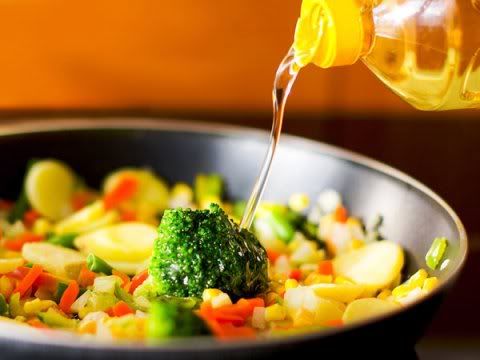
Now people are scared of using oil. In Sri Lanka, we have been using coconut oil for years in cooking. I think Sri Lankan women always try to make food taste better by adding coconut oil. But, it is proven that oil has a major role in increasing risk of heart attacks and strokes. When we eat oil, they get absorbed in our gut, and then it increases fat levels in our blood. When there is an increase in fat in the blood it tends to deposit in our blood vessels as cholesterol plaques.
We need 20-30% of daily energy intake from fat. This means around three to five table spoons of oil can be consumed by a person daily. So I am sure you are looking for a safe oil to add to your food while keeping your heart healthy. Out of the types of oil available in Sri Lankan market Canola oil, Sun flower oil, Corn oil, Sesame oil and olive oil are safe to use. Next safer thing is our coconut oil. Coconut oil is better than palm oil or Margarine for cooking.
The way we use the oil is important as well as the type. Deep frying is the worst thing. In that case when oil gets over-heated its composition changes into bad fatty acids (Trans fatty acids) which make more cholesterol plaque inside our blood vessels. When adding oil to food, don’t let it heat till the dark smoke comes out. You can do it by adding little amount of water in to the pan before adding oil, so oil will get heated without overheating. None of the above oil is good for deep frying.
facts by - Dr.Renuka Jayatissa
written by Dr.Malsha Gunathilake
For the Sinhalese version of this article Click Here | මම ලපය සහල පවතනය සඳහ මතනට යනන.
Subscribe to:
Posts (Atom)